
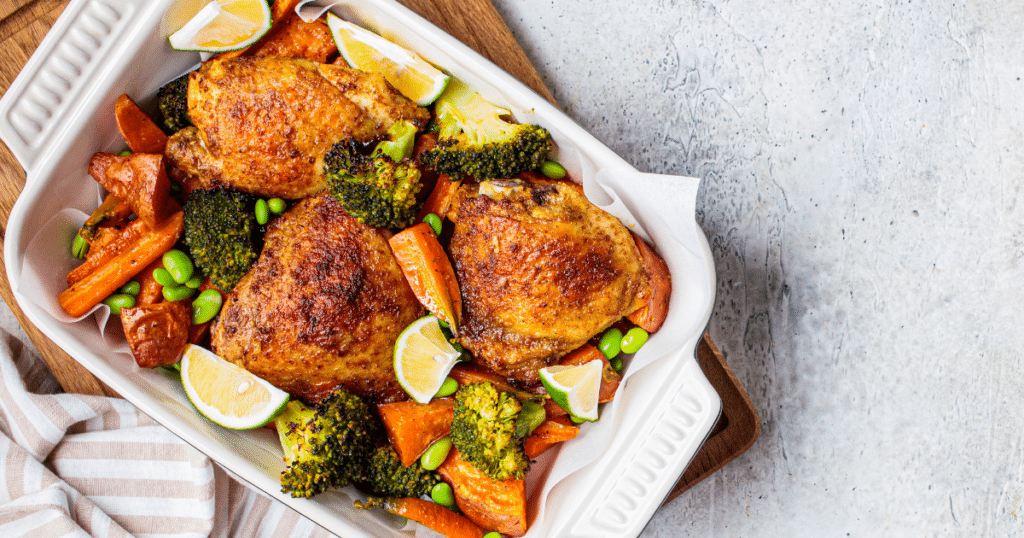
The six-month milestone is a massive moment in a baby’s life. It is the moment when the exclusive bond of breastfeeding begins to open up to the wider world of flavors and textures. For parents, this period known in Indonesia as MPASI (Makanan Pendamping ASI) or complementary feeding is filled with equal parts excitement and anxiety. You are excited to see their first reaction to real food, but you are also anxious about whether you are giving them enough nutrition. The stakes are high because this period is the “golden window” to prevent stunting, a condition of impaired growth and development that can affect a child for the rest of their life. When planning your baby’s menu, incorporating Healthy Chicken is one of the most effective strategies you can adopt to ensure they get the critical nutrients they need.
Stunting is not just about a child being shorter than their peers; it is a marker of chronic undernutrition that affects brain development and immune health. To fight it, we need to look beyond just filling a baby’s tummy. We need to fuel their rapid growth with high-quality building blocks. While vegetables and fruits are essential for vitamins, they are not the heavy lifters when it comes to physical growth. For that, you need protein and iron.
In this guide, we will explore why chicken is the superhero of the MPASI diet, the science behind its ability to prevent stunting, and practical, delicious recipes that will set your little one on the path to a strong, healthy future.
The “Iron Gap”: Why the First Foods Matter So Much
To understand why we prioritize chicken, we first have to understand what is happening inside your baby’s body at six months. When a full-term baby is born, they have a reserve of iron stored in their body that they got from their mother. This reserve is like a fully charged battery, designed to last them for exactly six months.
Once they hit the half-year mark, that battery runs out. Breast milk is a miracle fluid, but it contains very little iron. If the iron stores are not replenished through solid food, the baby runs a high risk of iron deficiency anemia. Iron is the oxygen-carrier for the blood and is absolutely non-negotiable for brain development. A deficiency at this age can lead to irreversible cognitive delays.
This is where the concept of “bioavailability” comes in. You might think spinach is a great source of iron (thanks, Popeye), but plant-based iron (non-heme) is hard for a baby to absorb. Animal-based iron (heme iron), found abundantly in chicken meat and liver, is absorbed by the body much more efficiently. It is the premium fuel your baby’s engine needs.
Protein and Linear Growth: The Anti-Stunting Connection
Stunting occurs when a child’s height-for-age is more than two standard deviations below the WHO Child Growth Standards median. It is essentially a failure to grow. Research has consistently shown that the strongest dietary factor associated with preventing stunting is the consumption of animal-source foods.
Proteins are made of amino acids. Think of amino acids as Lego bricks. A baby needs specific bricks to build bone tissue, muscle fibers, and enzymes. Chicken provides “complete protein,” meaning it contains all nine essential amino acids that the human body cannot make on its own.
A study published in the American Journal of Clinical Nutrition highlighted that children who consumed eggs and meat (like chicken) regularly had significantly better linear growth compared to those on a predominantly plant-based diet. While carbohydrates (rice porridge) provide energy to move, protein provides the material to grow. If you feed a baby only rice porridge and vegetables, they will have energy, but they won’t have the materials to build their “house” (their body) taller.
Choosing the Right Chicken for Baby
When you are cooking for an infant whose digestive system is just learning to work, quality is paramount. A baby’s gut is more permeable and sensitive than an adult’s.
- Texture: Chicken breast is lean and high in protein, but it can be dry. Chicken thighs (dark meat) are higher in iron and fat, which is actually good for babies because they need fat for brain development. Thigh meat also stays softer when cooked, making it easier to puree or chew.
- Safety: This is the big one. Conventional chickens are often raised with antibiotics. For a baby with a developing immune system, you want to avoid residue as much as possible. This is why many nutrition-conscious parents are switching to Probiotic Chicken. These chickens are raised with good bacteria to maintain their health naturally, ensuring the meat is cleaner and safer for that very first bite.
Recipe 1: The Iron Booster (6-8 Months)
Chicken Liver and Kabocha Squash Puree
Chicken liver is nature’s multivitamin. It has exponentially more iron than breast meat. However, because of its strong taste, it is best mixed with something sweet like Kabocha squash.
Ingredients:
- 30g Probiotic Chicken Liver (cleaned thoroughly).
- 50g Kabocha Squash (peeled and diced).
- 1 tsp Unsalted Butter or Extra Virgin Olive Oil.
- A pinch of garlic powder (optional, for introduction).
Instructions:
- Steam the pumpkin until soft.
- In a separate pan, sauté the chicken liver in butter until fully cooked. Ensure there is no pink left in the middle.
- Combine the liver and pumpkin in a blender or food processor.
- Add a little warm water or breast milk to achieve the desired consistency (runny for 6 months, thicker for 7-8 months).
- Strain through a sieve if you want a silky smooth texture.
Nutritional Highlight: This single meal provides a massive chunk of the daily iron requirement, preventing anemia which often accompanies stunting.
Recipe 2: The Growth Fuel Porridge (8-10 Months)
Creamy Chicken and Broccoli Porridge
At this stage, you can introduce slightly more texture. We are moving from smooth purees to “lumpy” textures to encourage chewing reflexes.
Ingredients:
- 50g Probiotic Chicken Thigh (minced finely).
- 3 tbsp White Rice.
- 2 florets of Broccoli (finely chopped).
- 100ml Homemade Chicken Bone Broth.
- 1 tsp Coconut Oil or Chicken Fat (minyak ayam).
- Aromatic: 1 small bay leaf.
Instructions:
- Wash the rice and place it in a pot with the chicken broth and bay leaf. Cook until it becomes a soft porridge (bubur).
- While the porridge is cooking, sauté the minced chicken in coconut oil until white and cooked through.
- Add the broccoli to the chicken and sauté for another 2 minutes.
- Mix the cooked chicken and broccoli into the porridge. Stir well and let it simmer together for 5 minutes to meld the flavors.
- Remove the bay leaf. Mash lightly with a fork if the chunks are too big.
Nutritional Highlight: The combination of chicken fat and coconut oil provides healthy fats essential for brain myelination, while the chicken thigh offers zinc and protein for height growth.
Recipe 3: The Finger Food (10-12 Months)
Mini Chicken and Carrot Meatballs
As your baby approaches their first birthday, they want to feed themselves. This helps with fine motor skills and hand-eye coordination. These meatballs are soft, safe, and packed with protein.
Ingredients:
- 100g Probiotic Chicken Breast (ground).
- 1 small Carrot (grated finely).
- 1 tbsp Tofu (mashed, keeps the meatballs moist).
- 1 tsp Tapioca flour or Breadcrumbs.
- Seasoning: A pinch of salt (very little) and onion powder.
Instructions:
- Mix all ingredients in a bowl until well combined.
- Shape into small balls, about the size of a marble or slightly larger (avoid sizes that can be a choking hazard).
- Steam the meatballs for 15-20 minutes.
- You can serve them as is, or pan-fry them lightly in a little butter for extra flavor.
Nutritional Highlight: This encourages independent eating while ensuring a high-protein intake. The tofu adds calcium, which works with the protein for bone elongation.
Safety Tips for MPASI Preparation
Cooking for babies requires a higher standard of hygiene than cooking for adults.
- Avoid Cross-Contamination: Never cut the fruit for the baby on the same board you used for raw chicken.
- Thorough Cooking: Unlike steak, chicken for babies must be well-done. No medium-rare.
- The 2-Hour Rule: Do not leave cooked baby food out for more than 2 hours. Bacteria grow fast, and babies have weak stomach acid.
- Storage: You can batch cook these purees and freeze them in ice cube trays. They last for up to a month in the freezer.
Conclusion: An Investment in the Future
Preventing stunting is a race against time. The first 1,000 days of life (from conception to age two) are the most critical. Once this window closes, it is very difficult to reverse the effects of malnutrition. By making chicken a central part of your baby’s diet, you are doing more than just filling a belly. You are building strong bones, oxygen-rich blood, and a brain capable of learning and exploring.
It can be tiring to prepare separate meals, check nutritional values, and clean up the mess after a baby eats. But remember, every spoonful of nutrient-dense food is a building block for their future potential. You are quite literally building a human being.
Since the quality of that building material is so important, you want to ensure you are using the safest, most nutritious meat available. A baby’s system is delicate, and they deserve food that is free from harmful residues and rich in natural goodness.
If you want to ensure that your baby’s first foods are made from the cleanest source possible, consider switching to Olagud. Our probiotic chicken is raised without antibiotics and fed a natural diet to ensure the meat is nutrient-dense, low in fat, and safe for even the most sensitive tummies. Give your little one the best start in life with high-quality protein that supports their growth journey. Choose Olagud probiotic chicken today, and make every meal a step away from stunting and a step toward a healthy, thriving future.